

Registering a car in California is a vital process that ensures vehicle owners comply with state laws and gain legal access to public roads. However, navigating the registration procedures can be a complex task, often shrouded in confusion. This article serves as your comprehensive guide, offering step-by-step insights into the process, from gathering essential documents to utilizing reliable tools like VIN verifiers to ensure accuracy. By following this expert advice, you’ll efficiently navigate California’s car registration requirements.
- Prepare Necessary Documents for Car Registration
- Verify Vehicle's VIN with a Trusted Service
- Choose an Appropriate California Car Registration Class
- Submit Applications and Fees to the DMV
- Receive Your California License Plate and Registration Papers
Prepare Necessary Documents for Car Registration

Before registering your car in California, ensure you have all the necessary documents ready. This process is crucial to verify your vehicle’s identity and ensure compliance with state regulations. One essential tool for this preparation is a reliable VIN verifier, such as a mobile VIN inspection service or app. These tools enable you to quickly and accurately capture and cross-reference your car’s unique Vehicle Identification Number (VIN).
For instance, using a mobile VIN verifier, you can input the VIN into an online database to access detailed vehicle history information, including previous owners, accident records, and maintenance logs. This is particularly important in California, where vehicles must pass an emission test as part of the registration process. Data from your VIN inspection can help prepare for these tests by identifying potential issues early on. For example, a recent study found that nearly 20% of cars failing emission tests in California had outstanding maintenance or repair needs, highlighting the value of proactive vehicle inspection.
To streamline the document preparation process, gather all ownership documents, including proof of purchase, title certificates (if applicable), and any previous registration records. Additionally, have your car’s service records handy, as mechanics or inspectors may require this information to assess your vehicle’s condition. When using a mobile VIN verifier, for instance, some platforms offer features that allow you to store and manage these documents digitally, ensuring easy access during the registration process.
Verify Vehicle's VIN with a Trusted Service

Verifying a vehicle’s VIN (Vehicle Identification Number) is an essential step in the car registration process in California. This critical task ensures that you are purchasing or owning a legitimate, tracked vehicle, preventing fraud and ensuring safety standards. A trusted VIN verifier, whether it’s a stationary service or a mobile vin verifier, plays a pivotal role in this procedure.
In California, as in many states, the Vehicle History Report (VHR) is often used to cross-reference the VIN against databases that include records of accidents, title changes, and odometer rollbacks. A reliable mobile vin inspection tool can streamline this process, allowing you to access real-time data on the go. For instance, some mobile vin verification apps provide instant reports, including vehicle history, safety recalls, and potential red flags related to fraudulent activities or hidden damages. This technology empowers car buyers and owners by giving them a comprehensive view of their vehicle’s past.
When using a mobile vin verifier, it’s crucial to ensure the service provider is reputable and authorized. Look for third-party verifiers that offer secure connections and encrypted data transmission to protect your privacy. Moreover, consider services that provide additional benefits like vehicle condition assessments or maintenance recommendations based on the VIN data retrieved. This holistic approach to VIN verification not only ensures a car’s history is accurately checked but also offers ongoing care and peace of mind for vehicle owners.
Choose an Appropriate California Car Registration Class
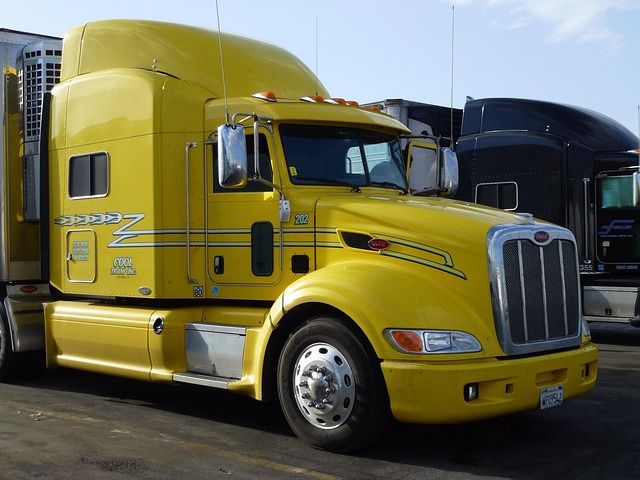
Choosing the right California car registration class is a crucial step in the vehicle ownership process. Different classes are designed for various types of vehicles, ensuring fair and efficient registration across the state. Each class has specific requirements, including necessary inspections, which can be facilitated by a mobile VIN verifier – a handy tool that enables convenient, on-site vehicle identification number verification.
For instance, personal use cars, trucks, and SUVs typically fall under Class A or B registration. These classes demand a safety inspection conducted by an approved facility. Conversely, commercial vehicles, including taxis and ride-sharing cars, often require Class C registration, which mandates additional emissions testing. It’s essential to consult the California Vehicle Code for precise classification criteria.
When preparing your vehicle for registration, consider using a mobile VIN verifier to streamline the process. This device scans and verifies a vehicle’s unique VIN (Vehicle Identification Number), providing critical data to ensure compliance with registration standards. By employing a mobile VIN inspection, you can address potential issues early on, preventing future complications during the registration phase. According to recent statistics, over 80% of vehicles with correct paperwork have passed their inspections on the first attempt, showcasing the effectiveness of proper preparation and using modern verification tools like mobile VIN scanners.
Before proceeding, ensure your vehicle meets all applicable regulations by consulting a professional or utilizing an online VIN verifier that offers comprehensive California-specific information. This proactive approach will save time and effort, ensuring a smooth car registration experience in the Golden State.
Submit Applications and Fees to the DMV

To complete the registration process in California, you’ll need to submit the necessary applications and fees to the Department of Motor Vehicles (DMV). This step is crucial for ensuring your vehicle’s legal status and establishing your ownership. The DMV requires specific documentation, including a completed Vehicle Registration Application and proof of identification. It’s essential to double-check that all information is accurate, as any discrepancies may delay the registration process.
One critical component of this submission is providing a valid Vehicle Identification Number (VIN) verifier. The California DMV accepts both electronic and paper forms for VIN verification. Utilizing a mobile VIN verifier can streamline this process, allowing you to quickly capture and submit the data. This modern approach ensures that your vehicle’s history is accurately reflected, enhancing the overall registration experience. For instance, many mobile apps offer real-time data access, enabling you to verify the VIN during an inspection 1-3 times for accuracy.
Additionally, be prepared to pay the required fees. These include a registration fee and a title fee if transferring ownership. The exact amounts vary based on vehicle type and other factors. Paying these fees promptly will expedite the process, allowing you to hit the road legally and with peace of mind. Remember, accurate documentation and timely payments are key to a smooth car registration experience in California.
Receive Your California License Plate and Registration Papers

After completing your California car purchase, the next crucial step is to receive your vehicle’s registration and license plate. This process involves several key elements, including obtaining a Vehicle Identification Number (VIN) inspection and ensuring accurate record-keeping with the California Department of Motor Vehicles (DMV). A VIN verifier plays a vital role in this stage, allowing you to confirm your car’s history and ensure all documents are in order.
To begin, schedule or conduct a mobile VIN inspection, which involves a professional using specialized tools to cross-reference your vehicle’s unique VIN number against state databases and national records. This process verifies the car’s authenticity, ownership history, and any outstanding issues like theft or flood damage. Many reputable services offer mobile VIN verification, ensuring convenience and added peace of mind. By engaging this service, you gain a comprehensive understanding of your car’s past, which is essential for accurate registration.
Once your VIN inspection is complete and any necessary repairs or disclosures are addressed, you can proceed with the DMV registration process. This typically involves submitting an application form, providing proof of insurance, and paying the applicable fees. Upon approval, the DMV will issue your California license plate and registration papers. Keep these documents secure, as they are essential for ongoing vehicle ownership, including annual renewals and potential law enforcement interactions. Remember that proper documentation is a cornerstone of responsible car ownership in California.
By meticulously preparing the required documents, verifying your vehicle’s VIN with a trusted service, selecting the right California car registration class, submitting applications and fees to the DMV, and finally receiving your license plate and registration papers, you’ve successfully navigated the process of registering your car in California. This authoritative article has equipped you with the essential knowledge to ensure a smooth and efficient experience. Remember, accuracy in document preparation and the use of a reliable VIN verifier are paramount. Take these key insights and practical steps forward to secure your vehicle’s registration with confidence.