

Registering a car in California is a vital process that ensures vehicle ownership rights and facilitates responsible road usage. However, navigating the requirements can be complex for new owners, often leading to confusion and delays. This comprehensive guide aims to demystify the car registration procedure, offering step-by-step insights tailored to the Golden State’s regulations. From gathering essential documents to understanding fees and the role of a VIN verifier, we’ll equip readers with the knowledge needed to streamline this crucial process, ensuring a seamless transition into California’s automotive landscape.
- Gather Required Documents for Car Registration in California
- Understand Vehicle Identification Number (VIN) Verification Process
- Prepare Your Vehicle for Registration: Inspection and Necessary Repairs
- Visit a California Department of Motor Vehicles (DMV) Office or Use Online Services
- Complete the Registration Process: Payment, Title Transfer, and Plate Assignment
Gather Required Documents for Car Registration in California

Before you begin the car registration process in California, it’s crucial to gather all the necessary documents. This step is often overlooked but can save you time and potential headaches later on. Central to your preparation is the Vehicle Identification Number (VIN) verifier—a tool that ensures the vehicle’s history is accurate and free from discrepancies. One efficient method for this verification is through a mobile VIN inspection or verifier, which allows you to check the vehicle’s authenticity remotely.
Key documents required include the title certificate from the previous owner, a valid registration certificate, proof of insurance, and a current emissions test (if applicable). Additionally, a completed California Vehicle Registration Application form is essential. It’s important to double-check that all forms are filled out accurately and completely to avoid delays. For example, some older vehicles might require additional documentation related to safety standards or emission compliance.
If you’re dealing with a private sale, obtaining a mobile VIN verification service can streamline the process significantly. These services allow you to enter the VIN into an online database, which cross-references it against various records to provide a comprehensive vehicle history report. Such reports can include details about accidents, odometer rollbacks, and outstanding loans, ensuring that both parties are protected. Always consult with a professional or trusted source for guidance on specific requirements to ensure a smooth car registration process in California.
Understand Vehicle Identification Number (VIN) Verification Process

Registering a car in California involves meticulous steps to ensure compliance with state regulations. One crucial component of this process is understanding and verifying the Vehicle Identification Number (VIN). The VIN serves as a unique fingerprint for your vehicle, containing vital information about its manufacturing details. To ensure authenticity, it’s imperative to have a reliable vin verifier. This is where mobile VIN inspection and verification services step in as game-changers.
California requires that the VIN on your vehicle match the one listed on the registration documents. A vin verifier, whether stationary or mobile, can accurately cross-reference these numbers. Mobile VIN verifiers are particularly advantageous as they offer on-site inspections. For instance, if you’ve purchased a used car, a mobile VIN inspection can confirm its history and ensure there’s no discrepancy between the displayed VIN and the vehicle’s actual identity. This service is invaluable in preventing fraud and ensuring a secure registration process.
To leverage mobile vin verification effectively, drivers should collaborate with reputable services that employ advanced technology. These tools scan and decode the VIN, providing instant access to detailed information about the vehicle’s make, model, year, and even previous owners. By embracing such innovations, California drivers can streamline their car registration while maintaining the highest level of integrity in their transactions. This ensures a seamless process, safeguarding both consumers and the state’s interests.
Prepare Your Vehicle for Registration: Inspection and Necessary Repairs
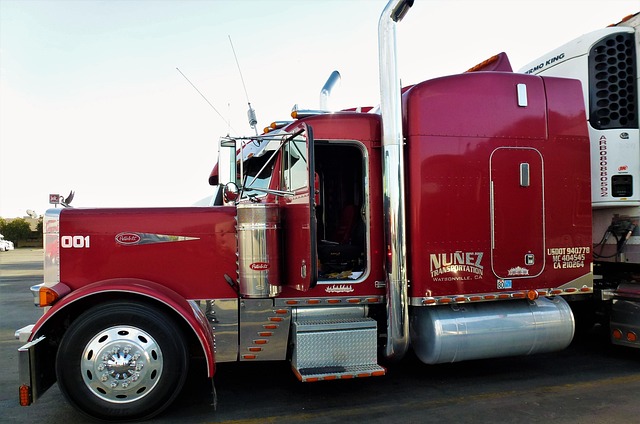
Before you can register your car in California, it’s crucial to ensure your vehicle meets safety and emissions standards. One of the initial steps involves preparing your car for registration through a thorough inspection and addressing any necessary repairs. This process is designed to guarantee roadworthiness and enhance public safety. A key component of this preparation is accurate and reliable Vehicle Identification Number (VIN) verification, which you can efficiently accomplish with a mobile VIN verifier or inspector.
A mobile VIN verification service provides on-demand inspections that check for any outstanding issues related to safety and emissions standards, using the unique 17-character VIN as a reference point. These services are particularly convenient for California residents as they streamline the registration process. For instance, many mobile VIN inspectors can conduct checks at your home or workplace, saving you a trip to a DMV office. Moreover, having a reliable mobile VIN verifier on hand can help avoid delays caused by unexpected mechanical problems that might arise during a standard inspection.
During the preparation phase, focus on both visible and hidden components of your vehicle. Start with a visual examination, checking for any signs of damage, wear, or tampering. Verify that all lights, mirrors, signals, and safety equipment are functional. Addressing these issues first demonstrates a commitment to road safety and can prevent potential problems during the registration process. If you’re utilizing a mobile VIN inspection service, they’ll typically guide you through this initial assessment, ensuring no stone is left unturned before proceeding with formal verification using your vehicle’s VIN.
Beyond the visible, it’s crucial to consider components like the engine, transmission, brakes, and exhaust system. Ensure these systems are in good working order and meet California’s emissions standards. Some states allow repairs to be made and documented by a qualified mechanic or even the vehicle owner for minor issues. However, for more significant repairs or if you’re unsure about any aspect of your car’s condition, consulting with a professional mechanic before proceeding with registration is highly recommended. This proactive approach not only ensures compliance but also safeguards against potential safety risks on California’s roads.
Visit a California Department of Motor Vehicles (DMV) Office or Use Online Services
To register your car in California, you have two primary options: visiting a local DMV office or utilizing online services. Both methods involve providing essential documents and ensuring your vehicle meets safety standards, but each offers distinct advantages. If time and convenience are paramount, leveraging online resources can significantly streamline the process. For instance, many applicants prefer the accessibility of scheduling appointments and completing paperwork remotely using the California DMV’s digital platforms. These systems often incorporate advanced features like a mobile VIN verifier, enabling you to verify your vehicle’s unique identifier—the Vehicle Identification Number (VIN)—with ease from your smartphone.
Should you opt for in-person registration at a DMV office, prepare for a more interactive experience. Bring all necessary documents, including proof of ownership and identification. Staff will guide you through the process, conduct a VIN inspection to confirm vehicle authenticity, and help you register your car accordingly. This hands-on approach can be beneficial for those unfamiliar with online procedures or needing immediate assistance. California’s DMV is renowned for its efficient operations, ensuring that visitors can navigate the registration process swiftly and without undue hassle.
Regardless of the chosen method, having a reliable VIN inspection tool, whether through a mobile app or in-person support, is paramount to securing your vehicle’s registration accurately and quickly. This meticulous attention to detail safeguards against potential issues and ensures compliance with California’s stringent motor vehicle regulations.
Complete the Registration Process: Payment, Title Transfer, and Plate Assignment

After gathering all necessary documents and confirming your vehicle’s eligibility for registration, it’s time to complete the process with the California Department of Motor Vehicles (DMV). The final stages involve several critical steps that ensure a seamless transition for your vehicle from purchase to road-ready. One essential component of this process is utilizing a reliable vin verifier to check the vehicle’s history and ensure everything is in order, which can be conveniently done through a mobile vin verification service.
Payment is the first step in finalizing registration. You’ll need to pay the required fees, which vary based on your vehicle’s type and age. The DMV offers various payment methods, including cash, credit card, or check. Ensure you have the correct amount and that your payment method is readily available to streamline the process. Once successfully paid, the DMV will issue a Registration Certificate, marking the official registration of your vehicle in California.
The next crucial step involves transferring the title from the seller to you. This process must be done through the DMV, and they provide simple, step-by-step instructions for completion. You’ll need to submit the title transfer application, along with any required fees and supporting documents. Using a mobile vin verifier can aid in this stage by quickly verifying that the vehicle’s information matches the details in the title, ensuring accuracy during the transfer. After successful submission, the DMV will update their records, reflecting you as the new owner on official documents.
Lastly, you’ll need to have your plates assigned. The DMV offers several plate options, each with unique designs and availability. Choose a design that suits your preference while adhering to California’s guidelines. Once selected, the DMV will issue your personalized license plates. They can be picked up at your local DMV or, in some cases, delivered to you for an additional fee. A mobile vin inspection can help ensure your vehicle is prepared for plate assignment by confirming any necessary repairs or modifications have been made, further simplifying the registration process.
By meticulously gathering all necessary documents, verifying your vehicle’s VIN with a reliable vin verifier, ensuring it meets inspection standards, and efficiently navigating either a DMV office or online services, you can successfully register your car in California. This process not only formalizes your ownership but also ensures your vehicle complies with state regulations. Moving forward, keep up-to-date records, remain informed about any updates to registration requirements, and always use trusted resources for VIN verification to maintain compliance and peace of mind on California’s roads.