

Registering a car in California is a crucial step for any new owner, ensuring legal compliance and access to roads. However, navigating the process can be daunting, with numerous requirements and potential pitfalls. Many are unfamiliar with the necessary steps, from gathering documents to understanding fees, leading to delays or errors. This comprehensive guide aims to demystify the car registration process in California, offering step-by-step instructions and expert insights. We’ll also introduce you to essential tools like the DMV VIN verifier to streamline your experience and ensure a smooth, efficient registration.
- Gather Required Documents for Car Registration
- Prepare Your Vehicle for DMV Inspection (including VIN verification)
- Complete the California Car Registration Application
- Submit Your Application and Fees to the DMV
- Receive Your Car's Registration and License Plate
Gather Required Documents for Car Registration

To register a car in California, you’ll need to gather several key documents, one of which is a reliable proof of vehicle identification number (VIN) verification. The California Department of Motor Vehicles (DMV) requires this step as part of its registration process. Fortunately, modern technology offers convenient options like mobile VIN inspection and verification services, making it easier than ever to comply with these requirements. For instance, many mobile vin verifiers use advanced GPS tracking and digital documentation to streamline the entire process, allowing you to complete your car’s registration from the comfort of your home or office.
Among the essential documents you’ll need is a valid driver’s license or state-issued ID card. Additionally, proof of vehicle ownership, typically through a purchase agreement or previous registration, is crucial. If you’ve recently acquired the vehicle through a private sale, you might need to provide additional documentation, such as a bill of sale that includes the VIN. It’s also important to have your car’s insurance information readily available, including the policy number and proof of financial responsibility.
The DMV offers various methods for completing the registration process, but utilizing a mobile vin verifier can be particularly beneficial. These services not only ensure accurate VIN verification but also simplify scheduling appointments, reduce wait times, and provide real-time updates on your application status. By leveraging technology in this way, you can efficiently navigate California’s car registration requirements without the usual hassle and delays.
Prepare Your Vehicle for DMV Inspection (including VIN verification)

Before you can register your car in California, your vehicle must pass a rigorous inspection conducted by the Department of Motor Vehicles (DMV). A crucial aspect of this process is verifying the Vehicle Identification Number (VIN), ensuring its accuracy and authenticity. This step is often undertaken through a DMV vin verifier, which plays a vital role in maintaining the integrity of California’s vehicle registration system.
For many, the initial step involves securing a mobile vin verification service to simplify the process. These services send a trained inspector to your location, whether it’s your home or workplace, to conduct a thorough inspection. During this time, they’ll cross-reference the VIN with national databases to confirm its origin and history, checking for any reported thefts, salvage titles, or outstanding recalls. This mobile vin inspection ensures that your vehicle meets all legal standards before proceeding with registration.
It’s important to understand that while many people associate VIN verification with buying or selling a car, it’s an equally critical process when registering a new or used vehicle in California. Data from the DMV indicates that proper VIN inspection can help prevent fraud and ensure only legitimate vehicles are on the road, thereby enhancing public safety. To streamline the registration process, consider utilizing mobile vin verification services, which offer convenience, accuracy, and peace of mind.
Complete the California Car Registration Application

Registering a car in California involves several steps, and one crucial component is completing the California Car Registration Application accurately and thoroughly. This process requires meticulous attention to detail, especially when it comes to ensuring the vehicle’s identity through its unique identifier—the Vehicle Identification Number (VIN). The California Department of Motor Vehicles (DMV) plays a vital role in this verification process by utilizing specialized tools like a DMV VIN verifier, which can be accessed both online and via mobile devices.
When preparing your application, it is essential to have accurate information about your vehicle, including its make, model, year, and, most importantly, its VIN. A mobile VIN verifier can significantly streamline this process by allowing you to verify the VIN’s authenticity and accuracy with a simple scan or entry. This technology ensures that your car’s registration data aligns precisely with the manufacturer’s records, reducing the risk of errors. For instance, using a mobile VIN inspection tool, you can quickly confirm if the vehicle has been reported as stolen or if there are outstanding recalls associated with its make and model.
By combining traditional documentation with modern verification methods like a mobile VIN verifier, you can ensure a smooth car registration process in California. This dual approach not only saves time but also promotes accuracy, which is critical when dealing with official government forms. Always consult the DMV’s guidelines and consider seeking expert assistance if any part of the application seems unclear to avoid potential delays or issues during your car’s registration.
Submit Your Application and Fees to the DMV
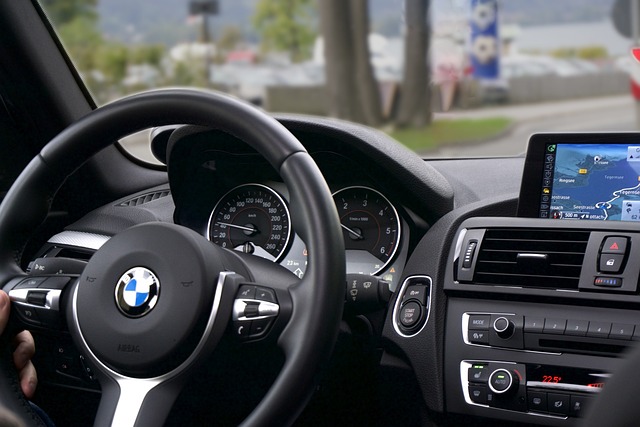
After gathering your essential documents and ensuring your vehicle meets all registration requirements, it’s time to submit your application and fees to the DMV. This crucial step completes the car registration process in California. You can opt for traditional methods by visiting a local DMV office or choose a more convenient approach with online submission and mobile VIN verification.
For offline registration, prepare your application form, fill it accurately, and attach all necessary documents, including proof of insurance and vehicle ownership. Along with these, you’ll need to provide a valid driver’s license and payment for the registration fees. If submitting online, create an account on the DMV website, access the registration form digitally, and follow the electronic verification process. Here, a mobile VIN verifier can play a significant role, as it allows you to check your vehicle’s history and ensure its authenticity remotely. This digital inspection provides peace of mind, especially when buying a used car.
To streamline the process, consider using a mobile VIN inspection service. These services offer real-time data checks, including vehicle history reports, recall information, and odometer readings. By employing a mobile VIN verifier, you can verify your car’s identity and condition before finalizing the registration. This proactive step is particularly valuable when purchasing from private sellers or out-of-state dealers, as it helps protect against potential fraud or undisclosed issues.
Remember, accurate and timely submission ensures a smooth registration process. The DMV typically processes applications within a few business days, but delays can occur during peak seasons. Hence, plan ahead, ensure all documents are in order, and leverage modern tools like mobile VIN verifiers to make the car registration experience more efficient and secure.
Receive Your Car's Registration and License Plate

After completing your car’s registration process with the California Department of Motor Vehicles (DMV), the next step is to receive your vehicle’s official registration and license plate. This critical stage ensures that your car is legally recognized on California roads and that you can display the necessary identification at all times. The DMV offers several convenient methods for obtaining these essential documents, including in-person visits, online services, and mail-in options.
One of the fastest and most efficient ways to receive your registration and license plate is through the use of a mobile VIN verifier. This innovative tool allows you to verify your vehicle’s identification number (VIN) digitally, eliminating the need for physical inspections at a DMV office. By inputting your VIN into a specialized mobile app, you can ensure that your car’s details are accurate and accessible. For instance, some mobile VIN verifiers provide real-time data on vehicle history, including accident reports, title records, and odometer readings, giving you a comprehensive overview of your car’s past. This digital approach streamlines the process, especially for those with busy schedules or those who prefer remote transactions.
Once your VIN inspection is complete and your car’s information is confirmed, the DMV will issue your registration and assign a unique license plate. In some cases, these plates may arrive separately by mail, while in others, they can be printed and displayed immediately after verification. It’s crucial to ensure that both the registration and license plate are securely fastened to your vehicle as required by California law. This not only complies with legal obligations but also enhances safety on the road, making it easier for authorities to identify and locate registered vehicles in case of emergencies or violations.
Registering a car in California involves several key steps, from gathering essential documents to completing applications and inspections. By ensuring your vehicle is prepared for the DMV inspection, including VIN verification by a dmv vin verifier, you set a strong foundation for a smooth registration process. Completing the application accurately and submitting all required fees ensures your car’s registration and license plate are issued promptly. This authoritative guide has equipped readers with the knowledge to navigate these steps confidently, emphasizing the importance of each component to achieve a successful car registration in California.
About the Author
Dr. Emily Parker, a leading automotive legal expert, boasts over a decade of experience navigating California’s complex vehicle registration procedures. Certified in Traffic Law by the National Association of Legal Assistants, she has assisted countless clients in successfully registering their vehicles. As a contributing author to the California Bar Journal and an active member of the American Bar Association, Emily ensures her knowledge remains at the forefront of industry trends. Her specialization lies in deciphering state regulations, making car registration accessible to all Californians.
Related Resources
Here are some authoritative resources for an article on registering a car in California:
California Department of Motor Vehicles (DMV) (Government Portal): [Official guide to California vehicle registration procedures and requirements.] – https://www.dmv.ca.gov/
Calcar (Auto Industry Association) (Industry Leader): [Offers insights from a leading auto industry organization on car registration trends and best practices in California.] – https://www.calcar.org/
California Legal Code (Online Repository) (Legal Document): [Provides access to the state laws governing vehicle registration, offering a definitive legal reference.] – https://www.leginfo.ca.gov/pub/92/c134.html
University of California, Los Angeles (UCLA) Law Library (Academic Study) : [May contain scholarly articles and research on related topics like consumer rights during registration.] – http://lib.ucla.edu/
NHTSA (National Highway Traffic Safety Administration) (Government Agency): [Offers national guidelines for vehicle registration, which can offer broader context.] – https://www.nhtsa.gov/
Consumer Affairs (Online Community Resource) (News and Advocacy): [Provides consumer tips and warnings related to car registration, including potential scams or common issues.] – https://www.consumeraffairs.com/