

Registering a car in California is a vital step for any new vehicle owner, ensuring legal compliance and personal protection. However, navigating the process can be daunting, given the stringent requirements and bureaucratic intricacies involved. This comprehensive guide aims to demystify the entire procedure, from gathering essential documents to completing the DMV VIN verification. By following these expert-backed steps, you’ll ensure a smooth and stress-free experience, turning what could be a tedious task into a manageable one. Let’s dive in and explore how to register your car in California with ease and efficiency.
- Prepare Necessary Documents for Car Registration
- Visit California DMV: Step-by-Step Guide
- Understand Vehicle Identification Number (VIN) Verification
- Pay Registration Fees and Register Your Vehicle
- Maintain Your Registered Vehicle's Records and Compliance
Prepare Necessary Documents for Car Registration

To register your car in California, you’ll need to gather several essential documents, ensuring a smooth process at the Department of Motor Vehicles (DMV). One critical step is demonstrating ownership through proper vehicle identification number (VIN) verification, which can be done efficiently with a mobile VIN verifier. Start by collecting your vehicle’s registration from its previous owner, as it often contains valuable information for this process. The DMV requires a completed Application for Title and Registration form, so fill this out accurately, providing details such as the car’s make, model, year, and, most importantly, its unique VIN number.
Next, schedule or conduct a VIN inspection to ensure the vehicle’s history is clean and there are no outstanding issues. A mobile VIN verifier can perform this inspection quickly and conveniently at your location, checking against national databases to verify the car’s identity and history. This step is crucial for safety and legal compliance, especially when buying a used vehicle. Keep in mind that California has strict regulations regarding vehicle registration, so thorough preparation of documents is essential. For instance, if the vehicle has been in any accidents or experienced significant damage, the DMV may require additional documentation to validate its current condition.
Once your VIN inspection is complete and all necessary paperwork is in order, you can proceed to the DMV with confidence. Presenting a clean VIN record will make registration easier, faster, and less likely to encounter delays or complications. Always remember that accurate and up-to-date information is key when registering your car in California, ensuring a seamless experience during this essential administrative task.
Visit California DMV: Step-by-Step Guide

To register your car in California, you’ll need to visit a local Department of Motor Vehicles (DMV) office. This process involves several steps designed to ensure vehicle safety and identify potential issues early on, particularly focusing on Vehicle Identification Number (VIN) verification. The DMV will inspect your car’s VIN to cross-reference it with their records, ensuring the vehicle is as described in its title and that all required documents are in order.
First, gather all necessary documents, including your driver’s license, proof of insurance, and the title for the vehicle. Next, choose a convenient DMV location and make an appointment if possible, as waiting times can vary. Upon arrival, locate the VIN inspection area, typically a dedicated station where a DMV agent will verify the VIN on your car’s registration documents against the actual vehicle. They might use advanced systems for mobile VIN verification, comparing it to their digital records instantaneously. This process is efficient and accurate, streamlining the registration procedure.
During the inspection, the agent checks for any discrepancies between the VIN, title information, and other required details. If everything aligns, your car will be approved for registration. However, if issues are found, such as a mismatched VIN or outstanding safety inspections, you’ll need to address them before proceeding. Examples of common problems include incorrect vehicle description, out-of-state titles, or missing emissions tests. It’s crucial to rectify these promptly to avoid delays in the registration process.
Understand Vehicle Identification Number (VIN) Verification
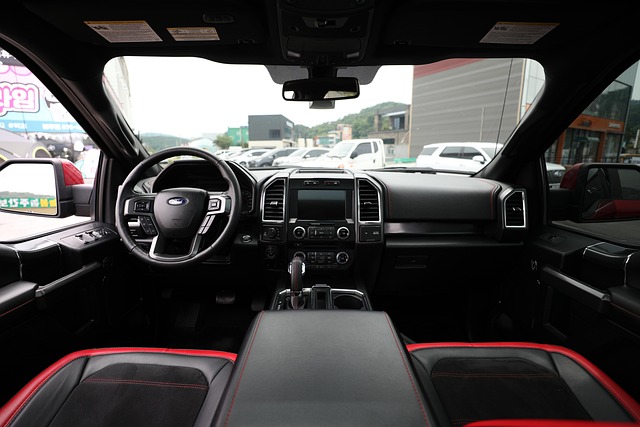
Registering a car in California involves several crucial steps, and understanding Vehicle Identification Number (VIN) verification is paramount to ensuring a smooth process. The DMV VIN verification process checks the authenticity of your vehicle’s identifier, which is vital for safety and legal compliance. Every motor vehicle has a unique VIN, serving as its permanent identification code, much like a fingerprint. This number is encoded with critical data about the car, including its make, model, year, and production details.
California’s DMV employs both in-person and mobile VIN verification methods. During the registration process, you may be asked to present your vehicle for inspection using a certified mobile VIN verifier. These mobile verifiers check the VIN against national databases to confirm the vehicle’s history and ensure it meets all legal standards before issuing a registration. For instance, they can detect if the car has been reported stolen, has outstanding liens, or has undergone unauthorized structural modifications, helping to prevent fraud and ensuring road safety.
A mobile VIN inspection is efficient and accessible, allowing you to complete your vehicle registration without unnecessary delays. Many third-party services offer this convenience, providing a quick way to verify your VIN while saving you visits to the DMV. These verifiers are designed to deliver accurate, real-time results, making them an indispensable tool for both consumers and automotive professionals in California.
Pay Registration Fees and Register Your Vehicle

Registering a car in California involves several steps, and one of the critical stages is paying the registration fees and completing the vehicle identification number (VIN) verification process. The California Department of Motor Vehicles (DMV) requires this step to ensure that all vehicles on the road meet safety standards and to protect consumers from stolen or counterfeit vehicles. When you visit a DMV office, be prepared to provide essential documentation, such as proof of ownership and insurance.
The VIN verification process is a crucial aspect of this registration, and it can be efficiently completed using a mobile VIN verifier or inspector. This technology allows for on-site, real-time vehicle inspection, ensuring that the car’s details match the provided records. For example, a mobile VIN scanner can cross-reference the unique VIN number with national databases to confirm the vehicle’s history, including any prior accidents, outstanding loans, or reported thefts. This instant verification streamlines the registration process and helps identify potential issues early on.
To pay the registration fees, you’ll need to visit a DMV field office or use their online services. The fees vary based on your vehicle type and model year. For instance, for a car manufactured after 2001, the base fee is around $50, but additional charges may apply for personalized plates or if your vehicle has modified emissions systems. After paying, you’ll receive a registration certificate and license plate, which must be displayed on your vehicle at all times. It’s advisable to keep records of all transactions and documents for future reference, as they may be required during annual renewals or in case of vehicle transfers.
Maintain Your Registered Vehicle's Records and Compliance
Maintaining accurate records and staying compliant is a crucial aspect of car registration in California. Once your vehicle is registered with the Department of Motor Vehicles (DMV), it’s essential to keep track of critical information that can be accessed through DMV VIN verification. This process involves regularly inspecting and updating key details related to your vehicle, ensuring its safety and legality on California roads.
One primary step is conducting periodic VIN inspections, which allows for a comprehensive review of your car’s history and specifications. A Mobile VIN inspection service can significantly simplify this task by providing an on-demand, efficient way to gather and verify data. These services utilize advanced technology to capture and transmit vehicle information directly to the DMV, ensuring accuracy and convenience. For instance, a mobile VIN verifier can check for any existing liens, accident history, or reported thefts associated with the unique Vehicle Identification Number (VIN). By employing such tools, California residents can streamline the process of maintaining their records, saving time and effort while adhering to legal requirements.
Additionally, staying updated on registration renewals, emissions tests, and insurance coverage is vital. The DMV offers various resources, including online platforms, to facilitate these processes. Regularly checking for updates and reminders ensures your vehicle remains in compliance, avoiding potential fines or legal issues. Remember, keeping meticulous records not only aids in DMV VIN verification but also demonstrates responsible ownership, contributing to a safer driving environment in California.
Registering a car in California involves several crucial steps, from preparing essential documents to navigating DMV procedures. Key takeaways include the importance of accurate and complete documentation, understanding the Vehicle Identification Number (VIN) verification process for security and authenticity, and recognizing the associated registration fees. Maintaining up-to-date records is vital for compliance with state regulations. By following these guidelines, including the mandatory dmv VIN verification, California residents can ensure their vehicle’s legal status and avoid potential penalties. This comprehensive guide empowers individuals to confidently manage their car registration process efficiently and effectively.