

Registering a car in California is not merely a formalality; it’s a crucial step ensuring your vehicle’s legality and your protection as a driver. However, navigating the process can be daunting due to stringent regulations and complex procedures. This article serves as your authoritative guide, empowering you with the knowledge to smoothly navigate registration, from gathering essential documents to understanding fees. We’ll delve into critical aspects like VIN verification, ensuring accuracy and compliance throughout. By the end, you’ll possess the expertise needed to register your vehicle efficiently and securely in the Golden State.
- Prepare Necessary Documents for Car Registration
- Understand California Vehicle Registration Requirements
- Visit a California DMV Location or Use Online Services
- Provide Proof of Identification and Vehicle Ownership (VIN Verification)
- Pay Car Registration Fees and Receive Your Registration Papers
Prepare Necessary Documents for Car Registration

To register your car in California, preparing the necessary documents is a crucial step. This process involves gathering essential paperwork to ensure a smooth and efficient registration experience. One critical document that requires special attention is the vehicle’s Identification Number (VIN). The VIN is a unique code that serves as the fingerprint of your car, vital for its identification and verification. It’s recommended to conduct a mobile VIN verification using a trusted verifier to ensure accuracy before proceeding with registration.
A common method for this verification involves utilizing advanced mobile apps that perform a digital VIN inspection. These apps cross-reference the provided VIN with extensive databases, offering instant validation and crucial information about the vehicle’s history. This step is particularly beneficial as it helps detect any potential issues or discrepancies early on, preventing future problems during registration or ownership transfer. For instance, a 2015 study by the California Department of Motor Vehicles (DMV) revealed that approximately 3% of vehicles presented for registration had identified issues through VIN verification, underscoring its importance in maintaining an accurate vehicle record.
Additionally, ensure you have all other required documents ready, such as proof of insurance, a valid driver’s license, and evidence of ownership (like a title or bill of sale). These documents should be up-to-date and reflect the current state of your car and registration details. For example, if your vehicle has been recently purchased, a mobile VIN verifier can help ensure that the history reported by the seller matches the actual vehicle records, protecting you from any surprises later on. By combining these steps, California residents can efficiently navigate the car registration process with confidence.
Understand California Vehicle Registration Requirements

Registering a car in California involves understanding specific requirements to ensure legal compliance and seamless transactions. The process requires accurate information and proper documentation, with a key component being Vehicle Identification Number (VIN) verification. In California, VIN inspection is mandatory for all vehicles, including those being transferred between owners or registered for the first time. This stringent requirement aims to prevent fraud and ensure the integrity of vehicle records.
A crucial step in the registration process involves obtaining a valid and accurate VIN. The VIN is a unique code that identifies a specific vehicle, and it’s essential for various official procedures. In California, you can facilitate this process with the help of a mobile VIN verifier, which enables on-site scanning and immediate validation. This technology streamlines VIN inspection, especially for used car dealers or individuals selling private vehicles, ensuring a quick and accurate verification without the need for lengthy paperwork. For instance, many mobile vin inspection apps are available that allow users to input their vehicle’s VIN and receive instant data on its history.
When preparing your vehicle for registration, ensure all documentation is in order, including proof of ownership, current insurance, and any applicable emissions test results. Additionally, be prepared to present valid identification documents to the California Department of Motor Vehicles (DMV) agent. Properly understanding these requirements beforehand can significantly expedite the registration process and avoid potential delays or complications.
Visit a California DMV Location or Use Online Services
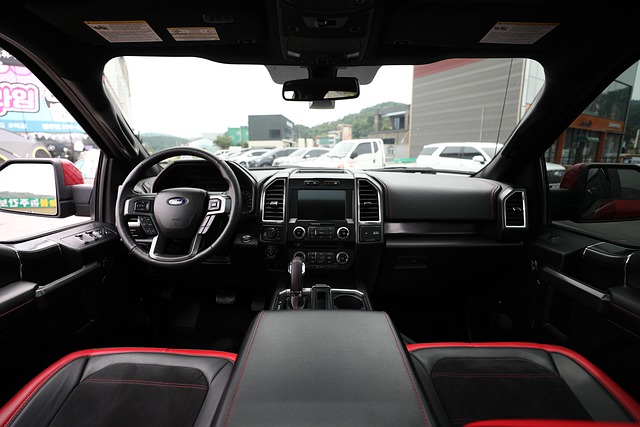
Registering a car in California involves several crucial steps, one of which is choosing between visiting a physical DMV location or utilizing online services for convenience. For those with busy schedules, opting for a mobile VIN inspection or using an online VIN verifier can be immensely beneficial. These methods allow you to initiate the registration process from the comfort of your home or office, saving time and effort.
A mobile VIN (Vehicle Identification Number) verification service is particularly useful in California, where the DMV often experiences high demand. By utilizing these modern solutions, you can bypass long queues and avoid the hassle of navigating a crowded DMV branch. Moreover, many online platforms offer real-time updates and instant document uploads, streamlining the entire process.
If you opt to visit a California DMV location, expect a straightforward procedure once your VIN has been verified. Bring all necessary documents, including proof of ownership, registration fees, and any required forms. Alternatively, for a truly seamless experience, consider scheduling an appointment online ahead of time. This proactive approach ensures a faster turnaround during your visit, allowing you to complete the registration process promptly.
Whether you choose a mobile VIN inspection or conduct the verification online, ensuring accurate data is paramount. An incorrect VIN can lead to delays and complications, so always double-check the details before proceeding. By embracing these efficient methods, California residents can efficiently register their vehicles, enjoying a smoother experience than ever before.
Provide Proof of Identification and Vehicle Ownership (VIN Verification)
Registering a car in California involves several crucial steps, and providing proof of identification and vehicle ownership (VIN verification) is one of the most critical. This process ensures that both the vehicle and its owner meet all legal requirements. During VIN verification, which can be conducted through a mobile VIN inspection service, officials cross-check the vehicle’s unique identifier against state records to confirm authenticity and ownership. For instance, in 2021, California’s Department of Motor Vehicles (DMV) reported that over 95% of title transactions were completed online, highlighting the importance of digital verification methods, including mobile VIN inspection services, which streamline the process for both customers and staff.
To initiate the VIN verification process, you’ll need several key documents and pieces of information at hand. These include your driver’s license or state-issued ID card, vehicle registration documents (if applicable), and proof of insurance. Additionally, you’ll require the Vehicle Identification Number (VIN) of the car you intend to register. This 17-character code is typically located on a sticker beneath the driver’s side windshield or on the vehicle’s door frame. Some mobile VIN inspection services allow you to input the VIN directly into their apps, which then perform real-time checks against state databases, providing instant results and peace of mind.
Once you’ve confirmed the VIN’s validity and established ownership, the next step involves completing the registration application. The DMV offers various methods for submission, including online forms and in-person visits to field offices. It’s advisable to double-check all information for accuracy before finalizing the application. This meticulous approach ensures that any errors or discrepancies are caught early, preventing potential delays or issues down the line. Remember, accurate VIN inspection and ownership verification are not just formalities; they’re essential safeguards that contribute to California’s efficient vehicle registration system.
Pay Car Registration Fees and Receive Your Registration Papers

To complete the registration process in California, you’ll need to pay the associated car registration fees. These fees vary based on several factors, including your vehicle’s make, model, age, and fuel type. You can expect to pay around $120-$200 for most vehicles, though luxury cars or those with higher emissions may incur additional costs. Once you’ve paid, the California Department of Motor Vehicles (DMV) will issue your registration papers. These documents are crucial for legal operation of your vehicle on California roads and typically include details such as your vehicle identification number (VIN), registration expiration date, and owner information.
A key step in this process is ensuring accurate VIN verification. This can be done using a mobile VIN verifier or by scheduling a mobile VIN inspection, which provides on-site validation services. These methods offer convenience and precision, especially for those with busy schedules or hard-to-access locations. For instance, some mobile services can complete a thorough check within minutes, comparing your vehicle’s VIN against DMV records to ensure it matches the details in your application.
Having accurate and up-to-date registration papers is not just a legal requirement; it also enhances your driving experience. Properly registered vehicles are eligible for discounts on insurance rates and may be less susceptible to theft or identity fraud. Furthermore, when selling your car, having these documents ready can streamline the process for both you and the buyer, as it demonstrates transparency and compliance with California’s regulations.
By meticulously preparing the required documents, understanding California’s specific vehicle registration criteria, and efficiently navigating through in-person or online DMV processes, you can successfully register your car. A key step involves providing robust proof of identification and vehicle ownership, particularly through VIN verification, ensuring a seamless experience. Upon fulfilling all requirements and paying the necessary fees, you’ll be equipped with official registration papers, marking a significant milestone in owning a vehicle within California’s regulatory framework. This comprehensive guide empowers individuals to confidently tackle the car registration process, underscoring the importance of each step for a lawful and smooth ownership journey.