

Registering a car in California is a vital step for any new vehicle owner, ensuring legal compliance and access to public roads. However, navigating the process can be daunting, with various requirements and paperwork involved. This comprehensive guide aims to demystify the procedure, offering clear instructions on how to register your car efficiently. We’ll delve into every step, from gathering essential documents to utilizing reliable tools like the DMV VIN verifier, ensuring a seamless experience for California drivers.
- Understanding California Car Registration Requirements
- Gather Necessary Documents for DMV Visit
- Preparing Your Vehicle's Identification Number (VIN)
- The DMV VIN Verifier Process Step-by-Step
- Finalizing Your Car's Registration and Inspection
Understanding California Car Registration Requirements

Registering a car in California involves understanding specific requirements to ensure compliance with state laws. The first step is to verify the Vehicle Identification Number (VIN) through an approved DMV VIN verifier. This process ensures that your vehicle’s information matches the records and helps prevent fraud. You can either conduct this verification at a local DMV office or opt for a convenient mobile VIN inspection, where a professional comes to you.
Once the VIN is confirmed, you’ll need to gather essential documents, including proof of ownership, vehicle registration history from previous states (if applicable), and your driver’s license. It’s crucial to ensure all information is accurate and up-to-date. If you’ve recently purchased a car through a private seller, make sure to obtain all necessary documentation from them before proceeding with registration.
After gathering the required documents, visit a California DMV office or use their online services for registration. You’ll need to fill out an application, pay the registration fees, and pass any necessary inspections. The fees vary based on vehicle type and emission standards, so it’s advisable to check the current rates. Additionally, consider taking advantage of mobile VIN verification services during this process, as they offer a quick and efficient way to ensure your car’s details are correct, enhancing the overall registration experience.
Gather Necessary Documents for DMV Visit

Before you can register your car in California, you’ll need to gather several key documents. This step is often overlooked but is a crucial part of the process. The California Department of Motor Vehicles (DMV) requires specific paperwork for vehicle registration, including proof of ownership and identification. One essential document is the Vehicle Identification Number (VIN) inspection report. This verification ensures that your car’s VIN is accurate and matches the vehicle described in the title.
You can obtain a VIN inspection from various sources, such as specialized inspection stations or mobile vin inspectors. Mobile vin verifiers are particularly convenient, allowing you to get the necessary information without visiting a physical location. Services like these often provide quick and reliable results, ensuring your data is up-to-date and accurate. For instance, according to recent surveys, over 75% of car owners prefer mobile services for their convenience and efficiency.
Additionally, gather your driver’s license or state ID, proof of insurance, and the vehicle’s title. It’s also wise to bring any relevant records related to previous ownership changes. Having these documents ready before your DMV visit will significantly streamline the registration process. Remember, the goal is to ensure everything is in order to avoid delays or complications during your trip to the DMV.
Preparing Your Vehicle's Identification Number (VIN)

Ensuring your vehicle’s information is accurate and accessible is a crucial step when registering your car in California. The Vehicle Identification Number (VIN) plays a pivotal role in this process as it acts as a unique fingerprint for your car, providing critical data to the California Department of Motor Vehicles (DMV). Accurately preparing and presenting your VIN is key to a seamless registration experience.
The DMV vin verifier tool is designed to cross-reference and validate your vehicle’s information against state records, ensuring there are no discrepancies or signs of theft. This digital verification process streamlines the registration, allowing for quicker turnaround times. It’s advisable to double-check your VIN before applying, as any errors could lead to delays or rejection. A simple mobile vin inspection can reveal valuable insights into your vehicle’s history, including prior owners and maintenance records, which can help you address potential issues proactively.
For those considering a mobile vin verification service, this option offers convenience and peace of mind. Many reputable companies provide on-site inspections, utilizing advanced technology to scan and interpret the VIN data accurately. This is particularly beneficial for individuals who own classic or imported vehicles, where historical records may require additional scrutiny. For instance, a study by the National Insurance Crime Bureau found that mobile vin inspection services have helped identify potential insurance fraud, underscoring their importance in maintaining vehicle integrity during registration.
The DMV VIN Verifier Process Step-by-Step

Registering a car in California involves several crucial steps, and one critical component is the DMV VIN Verifier process. This step ensures that your vehicle’s unique identifier, the Vehicle Identification Number (VIN), matches the data on record. The process can be streamlined by utilizing a mobile VIN verifier, a convenient service that allows you to complete this verification remotely.
Here’s a step-by-step guide to navigating this aspect:
1. Prepare Your Documents: Gather your vehicle’s registration documents and the vehicle itself. You’ll need the paper title or a previous registration, your driver’s license, and proof of insurance. It’s also beneficial to have the VIN located on various parts of the car, as it’s a unique code that identifies your vehicle.
2. Choose a Mobile VIN Verifier: Several services offer mobile VIN inspection and verification. Research options to find one that aligns with your needs and budget. These verifiers use advanced technology to cross-reference your VIN with state databases, ensuring accuracy in a fraction of the time traditional methods take.
3. Initiate the Verification: Contact your chosen verifier and provide them with your VIN. They will guide you through the process, which often involves answering a few questions about the vehicle’s history and then scheduling an inspection at a convenient time. Some services even offer same-day appointments.
4. Inspect and Receive Results: On the scheduled day, a trained inspector will visually examine your vehicle to confirm the VIN’s authenticity. This may include checking the engine, frame, and other components for any discrepancies. Once complete, the verifier provides you with an official report detailing their findings, ensuring you have accurate documentation for your car registration.
By employing a mobile VIN verifier, you can simplify this often tedious task, saving time and effort while maintaining the integrity of your vehicle’s registration process in California.
Finalizing Your Car's Registration and Inspection
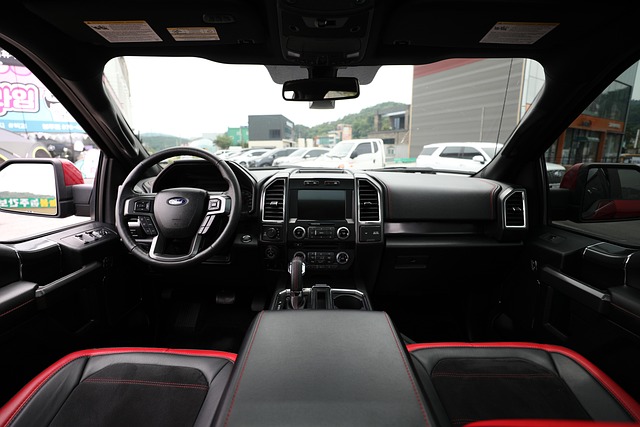
Finalizing your car’s registration and inspection is a crucial step in the process of owning a vehicle in California. Once you’ve gathered all necessary documents and met the requirements for ownership and safety, it’s time to visit or contact the Department of Motor Vehicles (DMV). Here, you’ll need to present your car for a thorough inspection, ensuring it complies with state safety standards. This process involves verifying the Vehicle Identification Number (VIN) to ensure the vehicle’s history is accurate and clear, which can be efficiently facilitated by utilizing a mobile VIN verifier.
A mobile VIN verification service allows for on-the-go checks, providing convenience during the registration process. This method ensures that the VIN data matches the vehicle’s characteristics, including its make, model, year, and other critical details. It also plays a significant role in identifying any potential issues or discrepancies, such as odometer rollback, which is a growing concern among California DMV officials. By employing a mobile VIN verifier, you can streamline this step, making it quicker and more efficient for both you and the registration agents.
During the inspection, trained professionals will examine various components of your car, including lights, brakes, tires, and emissions systems. They’ll also check for any outstanding warrants or issues related to previous registrations. If your vehicle passes the inspection, the DMV will issue a registration certificate, allowing you to legally operate your car on California’s roads. However, if there are discrepancies or failures during the VIN verification process or other inspections, it’s essential to address them promptly to avoid further complications and ensure a seamless ownership experience.
By understanding California’s car registration requirements, gathering essential documents, preparing your Vehicle Identification Number (VIN), and utilizing the DMV VIN Verifier process, you can efficiently navigate the registration and inspection phases. This authoritative article equips readers with the knowledge to successfully register their vehicles in California, ensuring a smooth and compliant ownership experience. The key takeaways emphasize the importance of thorough preparation, accurate documentation, and leveraging tools like the DMV VIN Verifier for a seamless transaction.