

Registering a car in California is not just an administrative task; it’s a crucial step in becoming a responsible vehicle owner. However, navigating the process can be daunting, given the strict regulations and varying requirements across counties. This article serves as your comprehensive guide, offering expert insights on every step involved. From gathering essential documents to using reliable VIN verifiers, we’ll walk you through the entire journey. By the end, you’ll be equipped with the knowledge needed to register your vehicle smoothly and confidently in the Golden State.
- Understanding California Car Registration Requirements
- Gathering Necessary Documents for Registration
- Using a VIN Verifier for Accurate Information
- Completing the Car Registration Application Process
- Submitting and Paying for Your California Vehicle Registration
Understanding California Car Registration Requirements

Registering a car in California involves understanding specific requirements to ensure legal compliance and seamless ownership. The process begins with gathering essential documents, including proof of identity, residency, vehicle ownership, and insurance. Additionally, you’ll need to obtain a Vehicle Identification Number (VIN) verifier from a certified source to initiate the registration procedure. This step is crucial as it verifies the vehicle’s history, ensuring it meets safety standards and isn’t stolen or fraudulently registered.
California requires a comprehensive VIN inspection for all vehicles before registration. This involves a detailed examination of various components, such as the engine, transmission, brakes, lights, and security features. Mobile VIN verification services have gained popularity due to their convenience and efficiency. These services send a trained inspector to your location, conducting a thorough inspection and providing immediate feedback on any issues that may affect registration. For instance, data from the California Department of Motor Vehicles (DMV) indicates that over 70% of mobile VIN inspections reveal at least one issue, highlighting the importance of this step for successful registration.
Once the vehicle passes the VIN inspection, you can proceed with submitting an Application for Title and Registration (Form DV-140). This form requires detailed information about the vehicle, including its make, model, year, and unique VIN number. It’s advisable to double-check all details against your vehicle’s documents to avoid delays or rejections. After submission, the DMV will process your application, issue a registration certificate, and provide you with a license plate if required. Regularly updating your contact information and ensuring timely renewals is essential to maintain compliance with California’s car registration requirements.
Gathering Necessary Documents for Registration
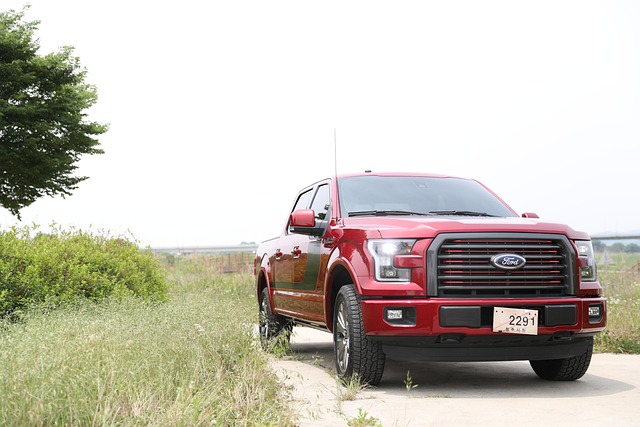
Registering a car in California involves more than just filling out forms; it requires gathering crucial documents to ensure a smooth process. One of the essential steps is verifying the Vehicle Identification Number (VIN). This unique code, found on the vehicle’s chassis, is your car’s fingerprint and can be easily checked using a VIN verifier. For instance, mobile VIN verification services are increasingly popular, allowing you to complete this task conveniently at your location. These services employ advanced technology to scan and cross-reference the VIN with official databases, ensuring its authenticity.
When preparing for registration, gather essential documents like the title certificate (or Bill of Sale if purchasing from a private seller), current registration (if applicable), proof of insurance, and a valid driver’s license. Additionally, you’ll need a completed California Vehicle Registration Application form, available online or at any California Department of Motor Vehicles (DMV) office. It’s advisable to double-check that all documents are up-to-date and accurate to avoid delays. For example, an out-of-state title might require additional steps for transfer, which can be efficiently navigated with the assistance of a mobile VIN inspection service.
Furthermore, if your vehicle is over 10 years old or falls under certain environmental standards, you may need a safety inspection certificate. Always refer to the DMV’s guidelines for specific requirements based on your vehicle’s make and model. Proper documentation not only streamlines the registration process but also ensures that your vehicle complies with California’s legal standards, ensuring a seamless transition from buyer to registered owner.
Using a VIN Verifier for Accurate Information

Registering a car in California involves meticulous steps to ensure compliance with state regulations. One crucial element of this process is obtaining accurate vehicle identification number (VIN) data through a reliable method like using a VIN verifier. This technology plays a pivotal role in streamlining the registration experience, enhancing security, and minimizing errors.
When engaging in a VIN inspection, utilizing a mobile vin verification service offers numerous advantages. These services utilize advanced tools to cross-reference a vehicle’s VIN against comprehensive databases, providing instant access to critical information. For instance, a simple text or app-based scan can reveal the car’s make, model, year, and even history of ownership. This proactive approach ensures that registrants have accurate data, reducing the risk of mistakes commonly associated with manual record-keeping. Moreover, mobile vin inspection is particularly beneficial for individuals who may not have easy access to traditional documentation or are located in remote areas.
The accuracy provided by these verifiers is significant, as incorrect VIN information can lead to registration delays and potential legal complications. Data from the California Department of Motor Vehicles (DMV) indicates that errors in vehicle documentation result in over 10% of registration attempts being rejected annually. By adopting mobile vin verification, registrants can significantly improve their chances of a successful first attempt. This efficient process not only saves time but also contributes to a smoother and more secure vehicle registration experience for all Californians.
Completing the Car Registration Application Process

Completing the car registration application process in California involves several crucial steps, ensuring your vehicle complies with state regulations. The first step is acquiring the necessary documents, including proof of ownership, a valid driver’s license, and current insurance cards. It’s essential to have these readily available, as failure to provide any required documentation may delay the registration. Once prepared, you’ll need to complete Form MV-5, the California Vehicle Registration Application. This form requires detailed information about your vehicle, including its make, model, year, and unique identifier—the Vehicle Identification Number (VIN). Accurately recording this data is vital, especially when utilizing a mobile VIN inspection or verifier to ensure the information matches the vehicle’s actual specifications.
The next phase involves submitting your application along with the required fees to either the California Department of Motor Vehicles (DMV) or a local registration agency. You can also register online through the DMV’s website, which offers a convenient and efficient alternative. When registering, you may be prompted to conduct a mobile VIN verification using an approved app or service. This digital inspection provides real-time data validation, ensuring your vehicle’s history and specifications align with California’s records. Once your application is processed, you’ll receive a registration certificate, providing official confirmation that your car is legally registered in the state of California.
Maintaining accurate and up-to-date registration documentation is paramount for both legal compliance and personal convenience. Regularly updating your vehicle’s information, including changes in ownership or insurance details, ensures seamless future registrations. Additionally, consider utilizing mobile VIN inspection tools to verify any potential discrepancies between your records and the vehicle’s actual characteristics, enhancing the overall accuracy of your registration data.
Submitting and Paying for Your California Vehicle Registration

Registering a car in California involves several critical steps, and one of the key components is submitting and paying for your vehicle registration. This process ensures that your automobile complies with state regulations and allows you to legally operate it on California roads. After gathering all necessary documents, such as proof of insurance, proof of ownership, and a completed application form (Form DV-1), it’s time to focus on the technical aspect: verifying your Vehicle Identification Number (VIN). This is where professional services like mobile VIN inspection and VIN verifier come into play.
Utilizing a mobile VIN inspection service offers several advantages. It provides convenience by allowing you to complete the VIN verification process from the comfort of your home or location of choice. Moreover, these services often employ advanced technology to cross-check your VIN with state databases, ensuring accuracy. For instance, many reputable companies now offer remote, online VIN verifications that can be completed within minutes. This modern approach streamlines the traditional process, which previously required visits to DMV offices or specialized inspection stations.
When opting for a mobile VIN verifier, it’s essential to choose a reliable and licensed provider. In California, such services are typically offered by certified automotive specialists who understand the state’s unique requirements. They employ tools like OBD-II scanners and specialized software to perform comprehensive checks, including engine and transmission specifications, vehicle history, and any outstanding recalls or defects. For example, data from the National Motor Vehicle Title Information System (NMVTIS) can be accessed during this process, providing insights into a vehicle’s previous ownership, accidents, or title issues. By leveraging these resources, you can ensure that your registration is complete and accurate, avoiding potential delays or legal complications.
By following these detailed steps—from understanding California’s car registration requirements to submitting your application and paying the necessary fees—you can ensure a seamless registration process for your vehicle. Utilizing essential tools like a VIN verifier guarantees accurate information, making your car registration both efficient and secure. This article has provided you with a comprehensive guide, empowering you to navigate the process confidently and gain peace of mind knowing your California vehicle is officially registered.